Construction Emissions Intensity: The Case for Operational Control A5 Boundary Reporting Over Financial Control
By Jeremy Mansfield OAM, Mansfield Advisory Pty Ltd
Currently, buildings and infrastructure are directly responsible for almost one-third of Australia’s total carbon emissions, and indirectly responsible for over half of all emissions (Infrastructure Australia – Embodied Carbon Projections for Australian Infrastructure and Buildings 2024). Embodied carbon from building activity accounted for 10% of national carbon emissions in 2023, while upfront carbon accounted for 7%. Of that upfront carbon, construction (A5) accounts for around 20% of emissions from infrastructure and buildings (Infrastructure Australia, 2024; see Tables 5 and 6 below).
However, inconsistent reporting continues to mask their true impact.

With a significant workforce shortage looming and ASBEC pushing for a 60–75% reduction in upfront embodied carbon by 2035 (ASBEC 2025), we need better ways to measure and manage A5 emissions. Consistently using an operational control boundary for A5 reporting, backed by clients, is one of the smartest steps the industry can take.
The Current Reporting Challenge
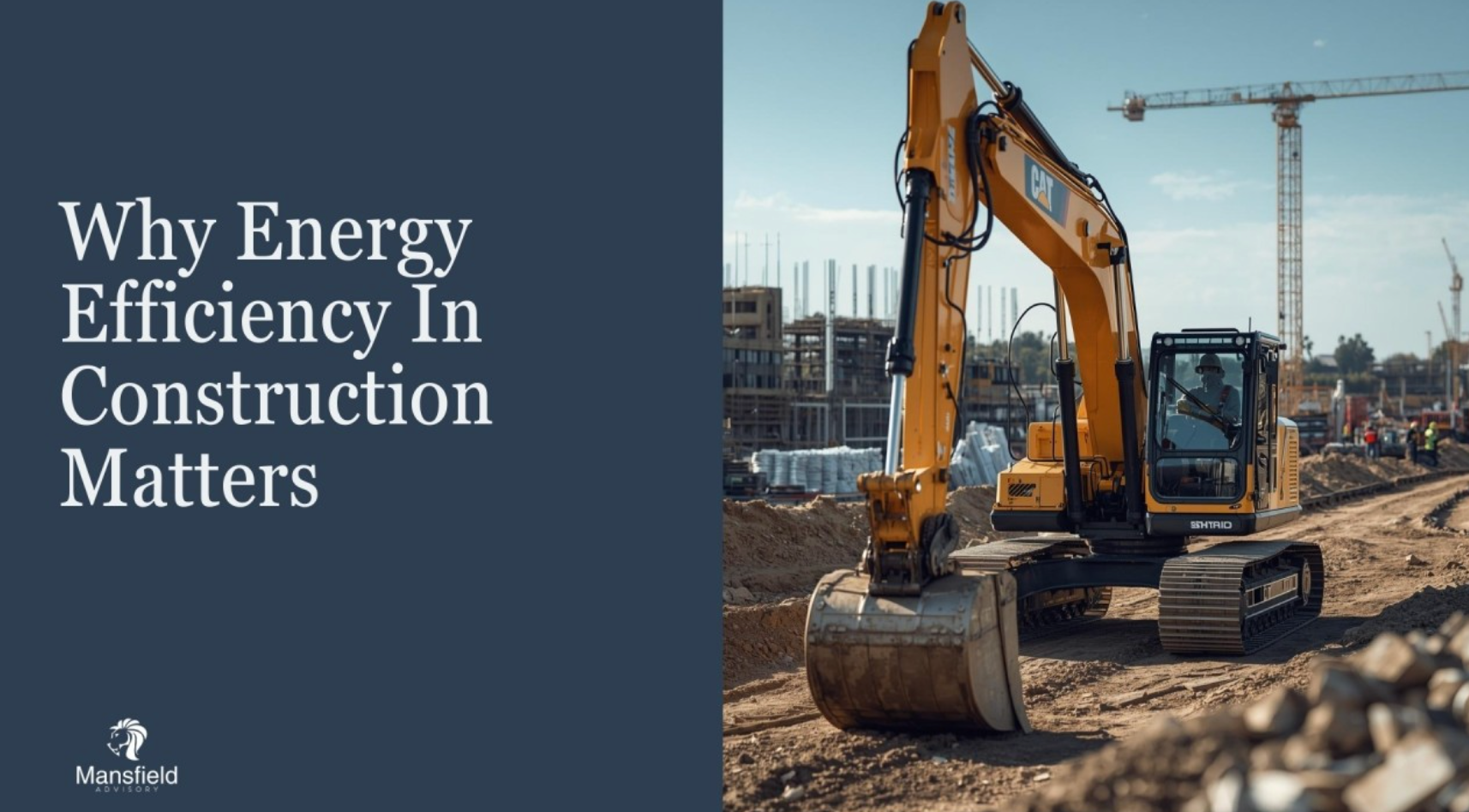
A5 covers onsite construction process emissions under EN 15978, including fuel and electricity used on site, equipment, waste generated on site, and commissioning up to Practical Completion. It is a key part of upfront embodied carbon (A1–A5).
The problem? Many stick with the GHG Protocol’s financial control boundary for corporate reporting and apply it to project-level emissions reporting. That approach only includes what the contractor financially owns or controls (or pays for). Because it can be genuinely difficult to get timely data from clients (temporary power, landlord meters, etc.) and from the supply chain (subcontractor onsite fuel and electricity), financial control often becomes the easier default. The result is under-reporting of A5 by 10–15% or more, especially on complex jobs.

Important clarification: Why operational control works for both corporate and project-level A5 reporting
There is an important distinction here that is often overlooked.
The GHG Protocol Corporate Standard requires organisations to select a single consolidation approach — financial control, operational control, or equity share — for their corporate emissions inventory. This is appropriate for company-wide reporting.
Under the GHG Protocol definitions, financial control exists where an entity can direct the project’s financial and operating policies with a view to achieving economic benefits (typically the client or asset owner). In contrast, operational control exists where an entity has the full authority to introduce and implement operating policies on site (typically the principal contractor).
When we are talking about project-level A5 construction emissions (what actually occurs on a building or infrastructure site), financial control often falls short. It does not reliably capture everything managed day-to-day on the ground; similar boundary challenges in the US see under-reporting of A1-A5/construction process emissions by 10–30% in many cases (AGC Decarbonization Playbook, 2024).
Leading contractors such as Lendlease and John Holland Group already apply operational control consistently across both their construction project reporting and their corporate GHG reporting.
Given the critical need for accurate, comparable project-level emissions intensity data, there is a strong case for construction companies to adopt operational control as the default approach for their corporate reporting as well. This is also the direction strongly supported by Australian industry guidance from the Australian Constructors Association (ACA), NABERS Embodied Carbon, and Infrastructure NSW. It delivers a far more complete and comparable view of actual construction emissions intensity.
Leaders in Reporting A5 Construction Emissions
The Australian Constructors Association (ACA) has released three practical emissions reporting guides to help contractors, subcontractors and suppliers meet the new mandatory requirements (including ASRS). They aim to make construction emissions reporting more consistent and transparent, clarify common boundary issues, and outline practical steps to improve data quality across the supply chain.

In the ACA’s Technical Guide (p.14), the recommendation is explicit. NABERS Embodied Carbon backs this up at the project level, using an A5 operational boundary (aligned with EN15978) plus rules and templates that make like-for-like reporting much easier.
Building a Consistent Approach
With industry guidance now pointing in the same direction, the next step is to standardise what “good” A5 looks like at the project level, so results are comparable across projects, clients and contractors.
Some agencies are already setting clear boundaries. For example, Infrastructure NSW’s Embodied Carbon Measurement for Infrastructure Technical Guidance defines an A5 construction process boundary that excludes land use change emissions and removals, and includes:
- Construction electricity and fuel use (onsite)
- Waste generated on site & transport of waste to the end destination
- Commissioning energy
For buildings, NABERS Embodied Carbon provides a consistent A5 ruleset and templates, so teams do not have to reinvent the boundary on every job.
Why Operational Control is Essential
Operational control (aligned with the National Greenhouse and Energy Reporting scheme) captures all emissions from activities the project team manages onsite: main contractor fuel and plant; subcontractor diesel and electricity; temporary power; waste generated onsite; and commissioning energy up to Practical Completion.
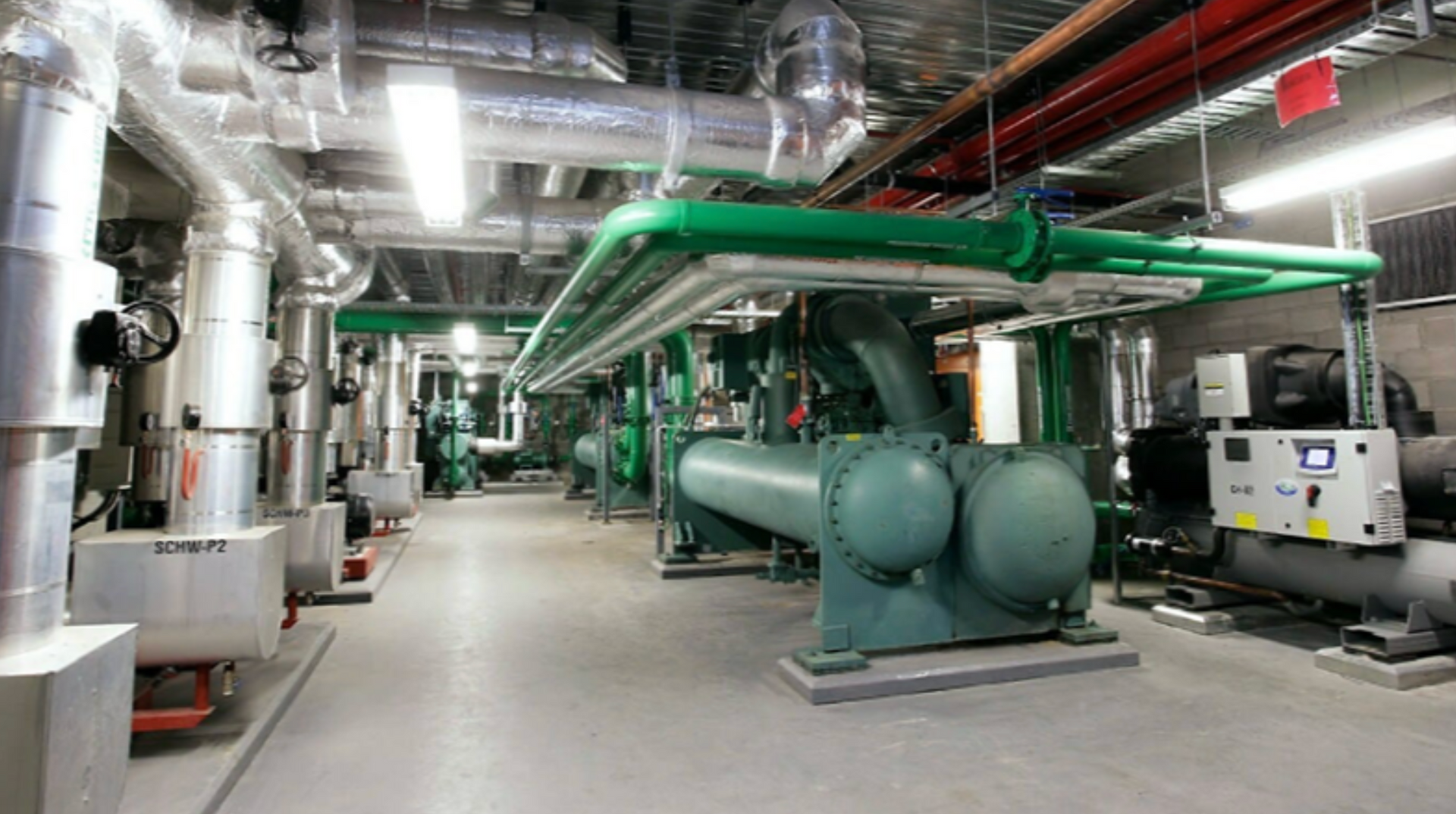
This is especially important on energy-intensive projects such as hospitals, metro projects, and data centres, where commissioning energy consumption can be substantial.
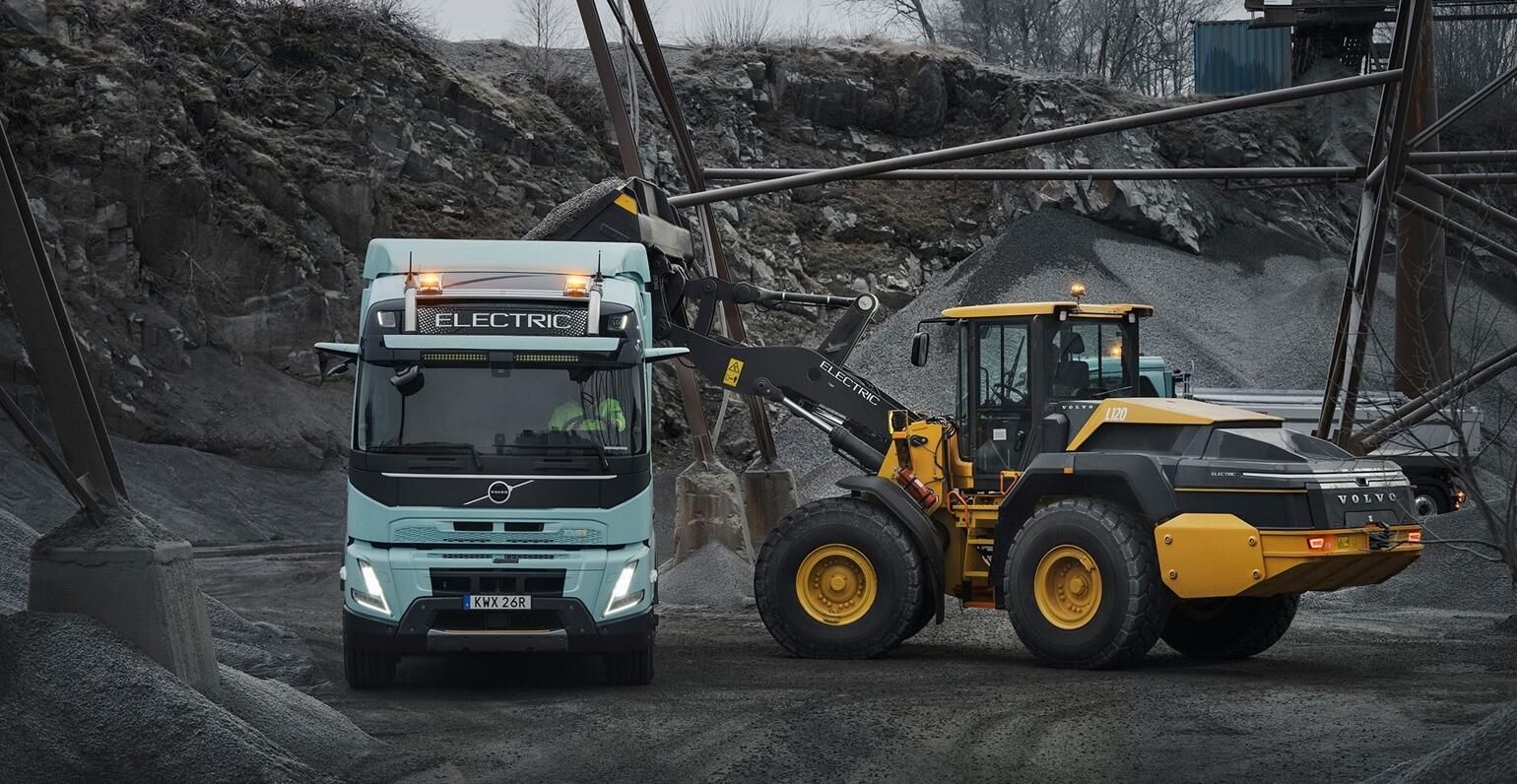
This is not just theoretical; it reveals genuine opportunities to switch to electric machinery and other low-carbon practices. Financial control often leaves those opportunities hidden.
Industry guidance is now clearly aligned. The ACA’s emissions reporting guides encourage operational control for consistent A5 reporting, NABERS Embodied Carbon uses an operational A5 boundary with practical rules and templates, and Infrastructure NSW’s guidance defines A5 to include onsite construction electricity/fuel, waste generated on site, transport of waste, and commissioning.
Supply Chain Reporting Guidance
The ACA’s Subcontractors and Suppliers Emissions Reporting Guide makes a practical point: consistent emissions reporting only happens when everyone in the chain speaks the same language and works from the same underlying data.
If different parties use different boundaries (or different assumptions about what counts as “construction energy”), you end up with gaps, double counting, and numbers you cannot compare from project to project. That makes it hard to track construction emissions intensity, let alone improve it.
The Client’s Crucial Role
Here, “clients” means the entities that engage contractors: developers, asset/land owners, government agencies, and their facility managers. They often hold the keys to the missing data: temporary power accounts, landlord meters, and fuels supplied directly to project sites. Without that information flowing to the contractor team, A5 reporting starts incomplete from day one.
Clients can make a big difference by:
- Clearly specifying an operational control A5 boundary in tenders and contracts (aligned with NABERS Embodied Carbon and Infrastructure NSW).
- Sharing client-held energy and fuel data right through to Practical Completion.
- Recognising that commissioning energy sits under A5, and it can be material on energy-hungry projects such as hospitals, metro projects, and data centres.
Operational Control vs Financial Control – Why It Matters for A5

A Call to Action
Operational control A5 reporting, actively supported by clients, is the most accurate and practical way to get a real handle on construction emissions intensity in Australia.
If you’re a client or procurer: Specify an operational control A5 boundary in your tenders and contracts, and ensure the contractor gets full access to the energy and fuel data they need.
If you advise clients or contractors, please align project boundaries with ACA, NABERS Embodied Carbon, and Infrastructure NSW guidance to build reliable, comparable benchmarks.
We need meaningful, comparable project-level A5 emissions intensity metrics if we’re serious about hitting ASBEC’s 60–75% upfront embodied carbon reduction targets by 2035.
Do you need help getting consistent A5 operational control reporting in place, or developing reduction strategies? Reach out. Mansfield Advisory Pty Ltd is here to help.