Beyond Greenwashing: Protecting Fair Competition and Ethical Supply Chains in the Transition to Net-Zero
First published on Sourceable - https://sourceable.net/beyond-greenwashing-protecting-fair-competition-and-ethical-supply-chains-in-the-transition-to-net-zero/
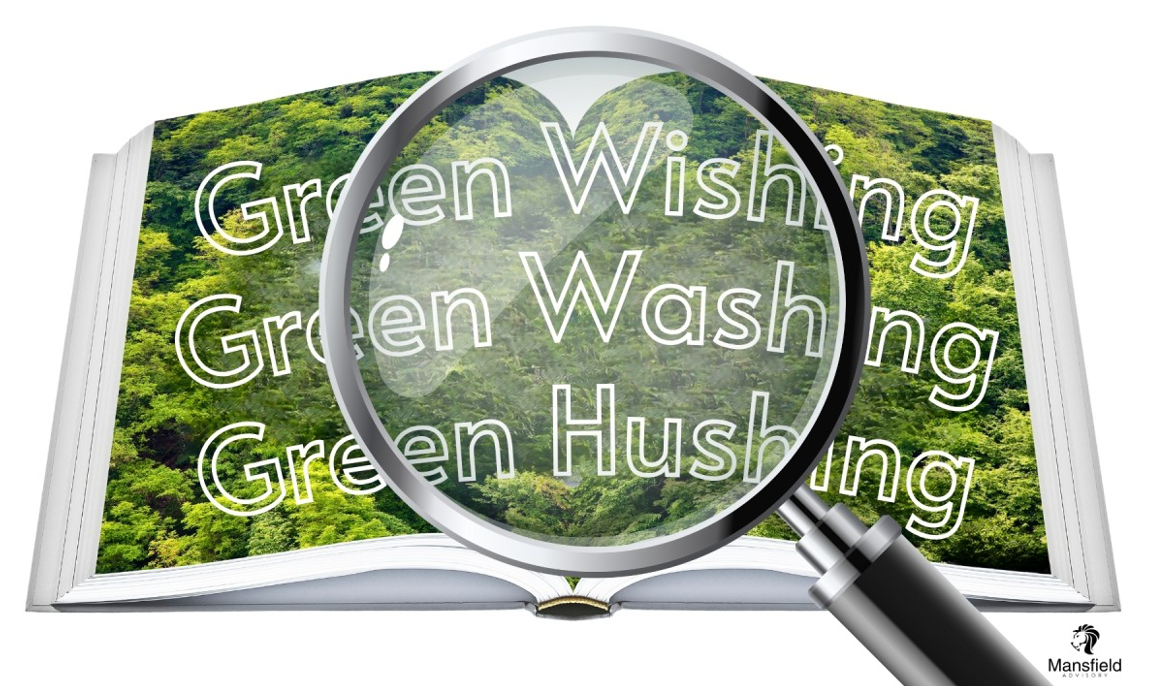
In my recent articles on greenwashing, from the "Three Shades Of Green You Don't Want To Be Tarnished With" to "The Emerging Fourth Green Shade: Beyond Greenwashing", I've explored how superficial or misleading sustainability claims can undermine genuine progress toward decarbonisation.
These pieces highlight the importance of authenticity. This involves moving past inauthentic practices to evidence-based approaches that truly reduce emissions across construction, materials, and operations.
But authenticity extends beyond environmental claims. As industries accelerate the shift to low-carbon futures, including the collaborative “family affair” of biobased solutions needed to close gaps and eliminate fossil fuel dependencies, another layer of integrity becomes critical: fair competition in supply chains. When market dynamics allow undue influence or unfair tactics to distort choices, it risks slowing innovation, limiting informed decision-making and eroding the ethical foundations that support net-zero goals.
Unconscionable Conduct: A Rising Focus in Supply Chains
While greenwashing often involves misleading representations (a breach of section 18 of the Australian Consumer Law), unconscionable conduct under sections 21–22 of the ACL addresses subtler but equally damaging issues in business-to-business dealings. These provisions prohibit conduct that is, in all circumstances, against good conscience. Examples include exploiting power imbalances, applying undue pressure or using unfair tactics that disadvantage others in the chain.
Unconscionable conduct has historically received less attention than misleading claims. However, recent enforcement shows that the Australian Competition and Consumer Commission (ACCC) takes it seriously. This is particularly the case where systemic practices affect vulnerable parties or distort fair outcomes.
A prominent example is the Optus case. In this case, the Federal Court ordered Optus Mobile Pty Ltd to pay a $100 million penalty in September 2025 for unconscionable conduct in sales and debt collection practices (following Optus’s admission in June 2025) accc.gov.au. The conduct involved inappropriate pressure tactics, exploitation of vulnerabilities and failure to ensure fair dealings. It affected hundreds of consumers over several years. While this case involved a business dealing with consumers, similar principles apply broadly to B2B contexts. Undue influence or harsh tactics that steer decisions away from merit-based choices can breach the law, especially in sectors with concentrated power or where professionals rely on balanced information to make informed recommendations.
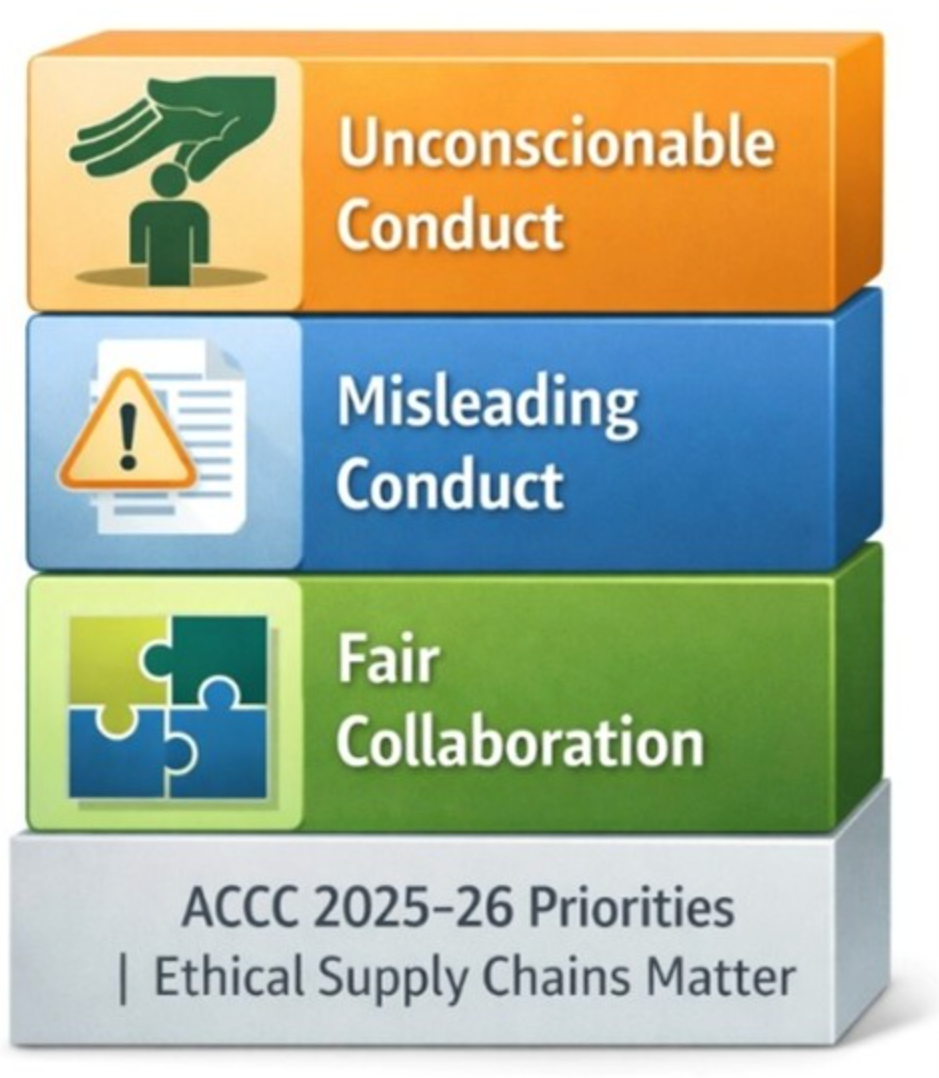
The ACCC’s 2025–26 Compliance and Enforcement Priorities reinforce this emphasis. Unconscionable conduct remains a key area, alongside enduring concerns such as anti-competitive agreements and misuse of market power. These priorities target conduct that impacts the cost of doing business, supply chain fairness and sectors which are critical to economic and environmental transitions. The priorities underscore that ethical approaches are not optional but are essential for compliant, innovative markets.
Unbalanced Analyses, Fair Dealing, and the Role of Transparency
On a related note, discussions around material scalability and sustainability often draw on studies or reports that aim to inform policy and practice. When analyses apply inconsistent methodologies — such as differing treatments of carbon dynamics, yield potentials, or lifecycle impacts across options — they can present an unbalanced view. This isn’t always unconscionable, but it can border on unfair dealing if it misleads stakeholders about relative merits.
Transparency adds another essential dimension. This involves disclosing funding sources, author affiliations and potential conflicts of interest. When studies are presented as objective without clear revelation of who funded the work or any industry ties that might influence assumptions, it risks eroding credibility and creating misleading impressions. The ACL’s prohibition on misleading conduct (s 18) applies here — representations (including those based on research) must not lead reasonable persons into error, and material omissions (like undisclosed influences) can contribute to that. The ACCC has emphasized that claims in sustainability contexts should be substantiated and transparent to avoid distorting informed choices.
This supports ethical supply chain principles: genuine collaboration needs transparency so that discussions are guided by evidence and inclusivity, not by concealed agendas.
Ethical Supply Chains and the Role of Collaboration
This focus on unconscionable conduct, fair dealing, and transparency aligns closely with ethical supply chain principles. Initiatives like the Supply Chain Sustainability School emphasise transparency, collaboration, and integrity. These are values that support authentic decarbonisation by enabling diverse, low-carbon options to compete fairly. When undue influence limits open evaluation or creates artificial barriers, it can hinder the collaborative progress which is needed for faster emissions reductions and resilient supply.
The ACCC also provides guidance on sustainability collaborations through its updated “Sustainability collaborations and Australian competition law – a guide for business” (updated 5 December 2025 to incorporate new case studies relating to modern slavery and amend one case study for clarity). The guide clarifies that genuine public-benefit collaborations — such as joint efforts to address shared risks or build capacity — are often low-risk under competition law, provided they do not harm competition or entrench existing players. This encourages broad stakeholder engagement and evidence-based approaches, rather than closed-door dynamics that might limit innovation.
Upholding Fair Markets for a Sustainable Future
Fair competition is not about restricting industry; it’s about ensuring markets reward merit, evidence and ethical practice. By avoiding unconscionable tactics, embracing transparent dealings (including funding disclosures) and upholding balanced information flow, businesses can foster environments where sustainable innovations thrive. This will help to accelerate the transition to fossil fuel-free construction, close overlooked emission gaps, and deliver real benefits for housing, the economy and the planet.
As we continue pushing for authenticity in sustainability — whether through better material integration, supply chain ethics, or collaborative policy — upholding these obligations becomes part of the solution. The ACCC’s tools and priorities exist to protect that integrity. Let’s keep the conversation open, evidence-driven, and focused on what truly advances net-zero: fair, collaborative, and conscientious markets.
Disclaimer: The information contained in the article is intended only to provide a general overview of matters of interest and is intended to apply only within Australia. It does not constitute legal advice.
Jeremy Mansfield OAM is Founder/Director of Mansfield Advisory.
He advises government, industry, and projects on sustainable construction practices and decarbonisation.